
- Agile
- Allergic Rhinitis
- Allergic Rhinitis
- Almond Oil
- Almond Oil
- Amenorrhoea
- Amenorrhoea
- anis-khawateen
- Anti-Inflammatory
- Arq - Ark - Distillate
- Ayurvedic Medicine
- Beat-fat
- Best Balm for muscle pain
- Best Sellers
- Calendars
- Cardiovascular Disorders
- Chutney
- Classic
- Combo Packs
- dehlvi a-gile general tonic
- Dehlvi Herbal Personal Care Range Cosmetics
- dekolstrol
- Dengue Fever
- Diseases of Blood Impurity & Skin
- Diseases of Chest
- Diseases of Children
- Diseases of Ear
- Diseases of Eyes
- Diseases of Females
- Diseases of Hair
- Diseases of Intestines
- Diseases of Joints
- Diseases of Kidney & Urinary Bladder
- Diseases of Liver & Gall Bladder
- Diseases of Males
- Diseases of Nose
- Diseases of Pharynx & Throat
- Diseases of Spleen
- Diseases of Stomach
- Diseases of the Mouth & Tongue
- Diseases of the Teeth and Gums
- Fertility Assistants
- For Children
- FSSAI
- General Debility
- General Weakness
- General Weakness in Children
- Heart Care Filter
- Heartcare
- Herbal Drinks
- Herbal Syrup
- Honey
- Household Medicines
- Immunity Booster
- Infertility
- labub kabir
- Low Platlet Count
- Males
- Management for Migraine
- medicine
- Memory
- Mens Health
- Menstrual & Perimenopausal Syndrome
- Miscellaneous Diseases
- Modern Tablets
- Mood Enhancement
- MultiPurpose Pain Relief Balm
- Nervous System Disorders
- nokuf
- Obesity
- OBNO
- Pain relief Balm India
- Patent
- Physical Fitness
- Pre-Book
- Raktsafa
- Remedy for Convulsions
- Repel Stress
- Seasoning
- Sexual Health
- Sharbat and Beverages
- Shilajit
- Showcase
- Skin and Hair Care
- Skin Care Best Sellers
- Sugar Free Unani Medicines
- Summer Refreshments
- Tablets
- Tablets of Majun Khamira Jawarish
- Thrombocytopenia
- Tonic
- Unani
- Unani Shilajit
- Uncategorized
- Venereal Diseases
- Weight Control
- Womens Health
Monday to Saturday
9555094254 - 9811610654 | 10AM to 5PM
How Indian System of Medicine Helps to Manage Depression and Anxiety Disorders
This article mentions mental pain menifestations, please proceed reading with caution and a mindful attitude
Physical pain is the pain that braves in every society bear proudly. But mental agony, is something that even the bravest of us can not handle wisely. Courage resides in our brain. When, constant mental struggle loosens the
ability of our brain to stand tight, our threshold of bearing mental pain goes down. This is the first step towards psychological or psychiatric illnesses.
More and more people today are quietly struggling with emotional pain, searching for answers to questions like:
- Why do I feel sad all the time?
- Why do I feel anxious for no reason?
- I feel worthless and alone.
- Constant emptiness or hopelessness.
- Always tired but can’t sleep.
- Crying for no reason.
- No motivation or interest in anything.
- Can’t focus or think straight.
- Overthinking and fear constantly.
- Heart feels heavy, what does it mean?
- Life feels pointless.
- Negative thoughts won’t stop.
These aren’t just queries — they’re real voices of those feeling emotionally overwhelmed and disconnected. While the reasons differ — from social pressures and family stress to financial worries and loss of community — the common outcome is a restless mind and troubled heart.
Modern medicine often focuses on easing symptoms, but Indian Systems of Medicine takes a deeper, more holistic approach. For example Unani and Ayurveda both discuss the mind (Nafs) and body together, recognizing that mental health is a balance of all humors in the body. For centuries, Unani & Ayurveda scholars are helping people find peace not just through pills, but through restoring harmony within themselves.
The Unani View of Mental Health
In Unani medicine, many references are found in the books, to the six essential factors needed for maintaining physical and mental health. These are simple, everyday elements of life that, when kept in balance, help prevent and manage conditions like depression and anxiety. Instead of focusing only on medicines, Unani philosophy emphasizes improving these six factors to strengthen the tabiyat—the body’s natural healing power.
The Six Essentials and Their Role in ُPhysical as well as Emotional Well-being
Clean, fresh air supports brain oxygenation and light exposure, both of which uplift mood. Exposure to natural light also regulates sleep hormones, reducing seasonal sadness or lethargy.

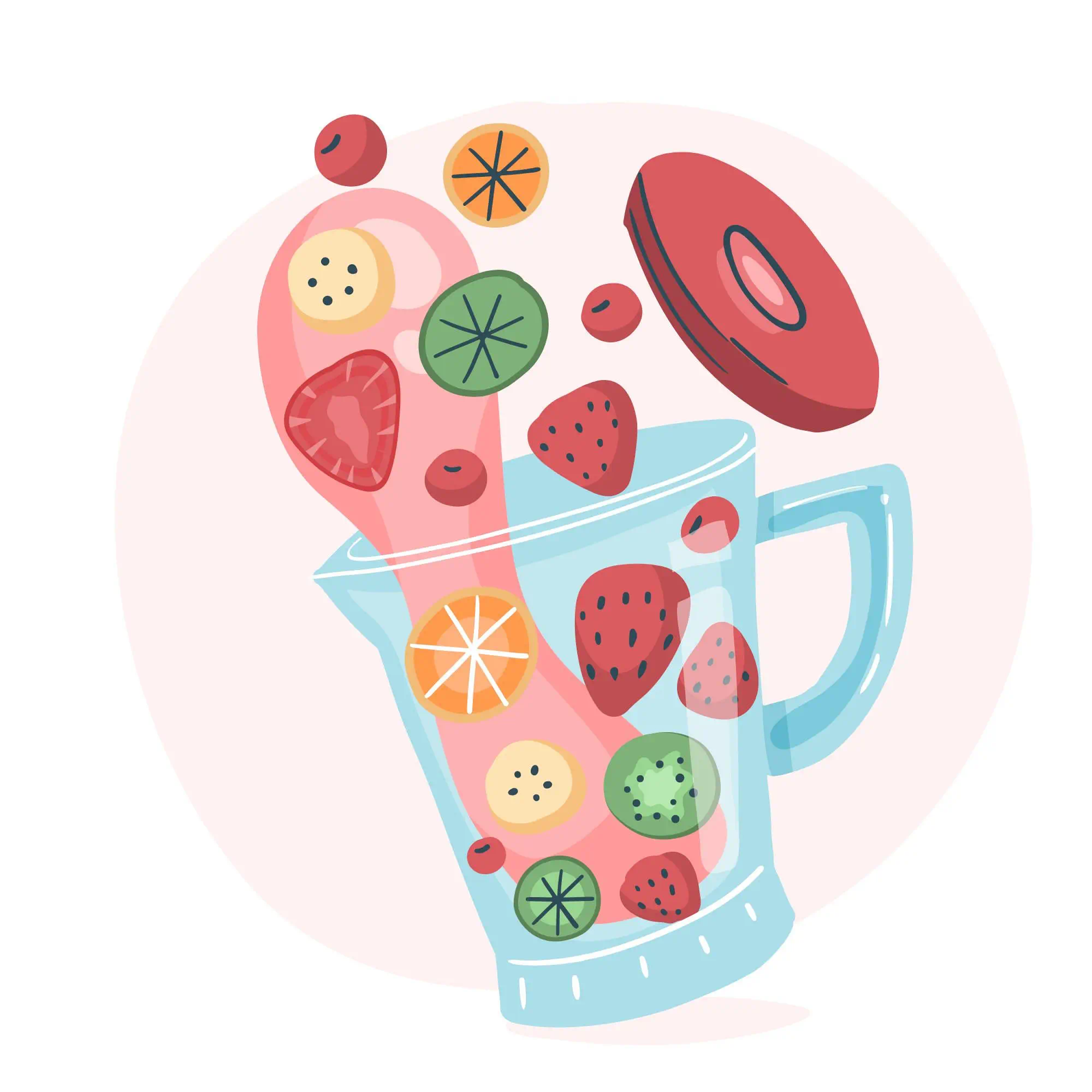
A balanced diet rich in fresh fruits, herbs, and natural drinks nourishes the brain and heart. Unani physicians recommend avoiding very salty, sour, or heavy foods that can intensify negative emotions or sluggishness.
Physical activity like gentle walking, or stretching releases stress and improves energy levels. However, overexertion or prolonged inactivity can worsen mood swings—moderation is key.
Lesson: Physical activity and rest both are necessary.


This focuses on managing emotions. Healthy expression, reflection, and relaxation help calm the mind. Unani scholars encourage spending time in nature, engaging in positive company, and avoiding mental over-strain.
Lesson: Mental activity and relaxation both are necessary.
Good-quality, timely sleep restores the nervous system and balances mood. Irregular sleep or excessive wakefulness contributes to irritability and anxiety symptoms.
Lesson: Right amount of sleep and awakening both are necessary.

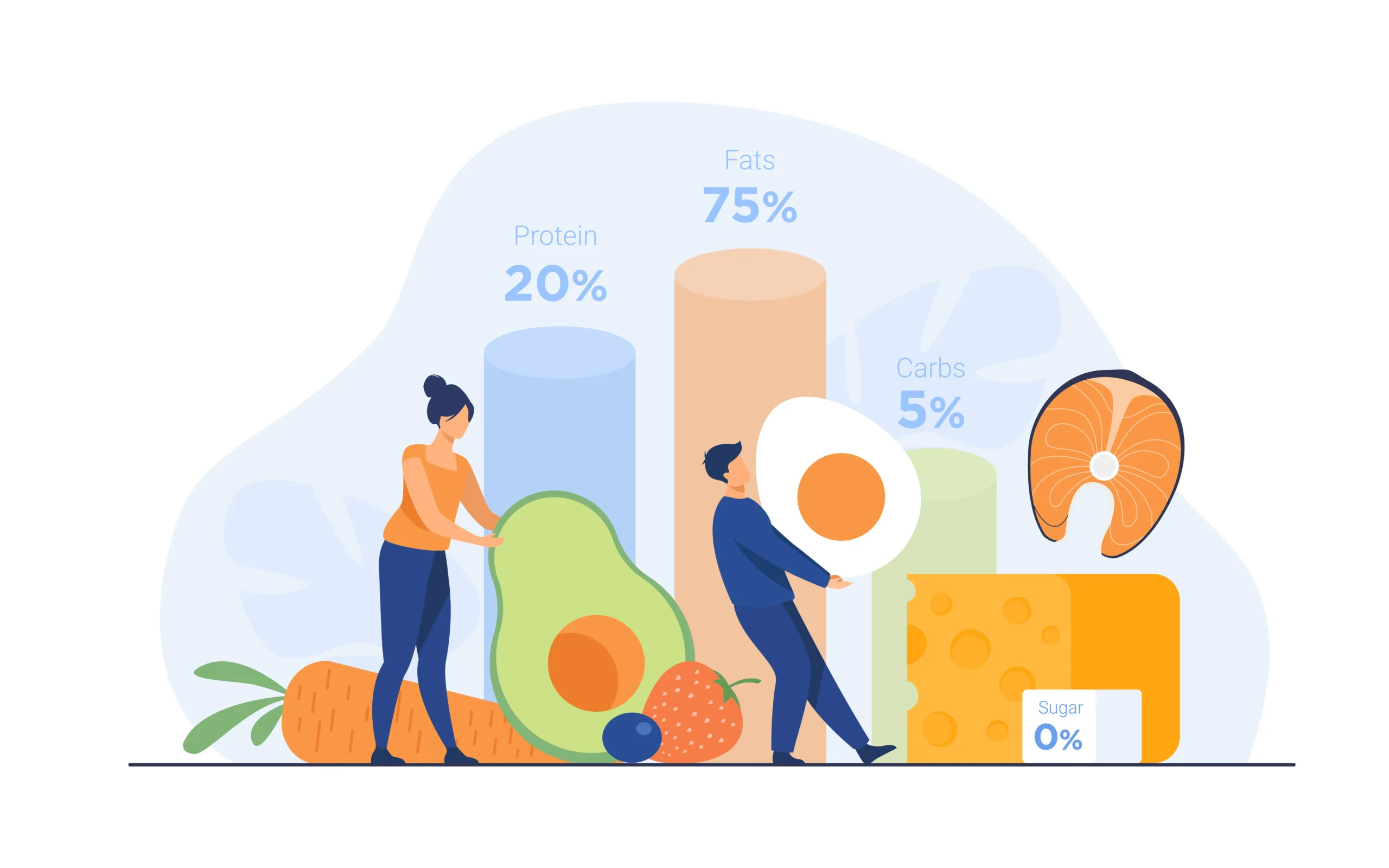
Regular elimination of waste (through bowel movement, sweating, etc.) removes toxins. When these processes are blocked, physical heaviness and emotional dullness may occur.
By retention we mean the ability of our body to absorb, retain and consume nutrition for the good. Sometimes, body is not able to consume nutrients, so our mental faculties suffer.
By keeping these six essentials balanced—breathing clean air, eating wisely, staying active yet rested, calming the mind, sleeping well, and maintaining body cleansing—one can improve both mental resilience and emotional balance.
Unani thought holds that depression and anxiety often arise when one or more of these everyday aspects become disturbed. Maintaining harmony in them brings back a sense of calm, clarity, and vitality—naturally supporting mental wellness.
In Unani philosophy, good health is a state of balance between the four humours (Akhlat):
- Warm and moist humor – Dam (blood)
- Cold and moist humor – Balgham (phlegm)
- Warm and dry humor – Safra (yellow bile)
- Cold and dry humor – Sauda (black bile)
Unani physicians believe that an excess or imbalance of Sauda (black bile) often leads to sadness, fear, anxiety, and overthinking — what we now call depression or neurosis.
How Mental Illnesses Manifest in Daily Life
Unani physicians often see patients who complain of physical problems — constant tiredness, body pain, disturbed sleep, or poor digestion — but on deeper evaluation, these are signs of emotional distress. Common presentations include:
- Persistent sadness or irritability
- Lack of motivation and concentration
- Sleep problems or excessive sleep
- Anxiety, restlessness, or fear without reason
- Headaches or heaviness in the head
- Palpitations or a feeling of pressure on the chest
- Digestive disturbances linked to worry or tension
These are gentle signals from the body that the Nafs (psyche) is in distress.
Unani Approach to Manage Depression & Anxiety Disorders




Unani medicine places great emphasis on daily routine and regimens to calm the mind and improve overall well-being:
- Massage (دھلک) with herbal oils to relax the body and nerves.
- Steam bath (حمام) to remove toxins and refresh the mind.
- Exercise (ریاضت) such as walking and deep breathing to enhance circulation and positivity.
- Sleep hygiene – going to bed early and avoiding late-night screen time.
- Aromatherapy and nature walks – reconnecting with natural surroundings to ease tension.
Food directly influences mood and brain function. Unani scholars have always advised eating according to one’s Mizaj (temperament).
Recommended foods for emotional well-being include:
- Milk, honey, almonds, pomegranates, and fresh fruits.
- Warm, moist, and light meals that are easy to digest.
- Saffron and rosewater — both known to uplift mood and strengthen the heart (Muqawwi Qalb).
Avoid very sour, spicy, or dry foods that may worsen Sauda and promote sadness or irritability.
Note: Do not self-medicate. Consult a physician before taking any of these medicines
Unani system offers several time-tested formulations that nourish the nervous system, strengthen the heart, and calm the mind. Some valuable products from Sana Herbals include:
- Majun Najah: Strengthens the nerves, improves mood, and reduces anxiety and fatigue. See More →
- Depresna Tablet: A Unani-based modern formulation for managing depression, stress, and emotional imbalance. See More →
- Jawarish Shahi: Enhances digestion, supports the nervous system, and improves overall vitality. See More →
- Khamira Abresham Hakim Arshad Wala: A well-known cardiac and nerve tonic that helps restore joy and energy. See More →
- Itrifal Ustukhuddus: A classical preparation that relieves headaches, nervous tension, and melancholic states. See More →
- Dawa-ul-Misk Motadil: General tonic for nerves and heart, uplifts mood and boosts stamina. See More →
- Sharbat Ahmad Shahi: Refreshing syrup that promotes calmness and relieves fatigue. See More →
These formulations are designed not just to suppress symptoms but to rebuild emotional stability and mental strength from within.
Long before modern psychology, Unani physicians practiced counselling through gentle communication and spiritual guidance. They encouraged:
- Positive thinking and gratitude.
- Balanced lifestyle and moderation in desires.
- Community connection and acts of kindness.
- Remembrance of the God, Meditation, Zikr or Chanting for spiritual peace.
This emotional and spiritual therapy is still deeply relevant today.
Single Herbs Known for Their Mental Health Benefits
| Herb (Unani Name) | Botanical Name | Properties / Actions | Traditional & Modern Relevance |
|---|---|---|---|
| Aftimoon | Cuscuta reflexa | Antidepressant, neuroprotective; enhances mood and cognition | Used in Itrifal Ustukhuddus and Majun Najah |
| Ustukhuddus | Lavandula stoechas | Anxiolytic, mood-stabilizing; calms nervous system | Key herb for Malankholia (melancholia) |
| Amla (Aamla) | Emblica officinalis | Adaptogenic, antioxidant, supports serotonin and dopamine balance | Improves mood and resilience to stress |
| Post-e-Halela Kabli | Terminalia chebula | Mild sedative and antioxidant | Soothes the mind and aids digestion |
| Post-e-Balela | Terminalia bellerica | Rejuvenative, neuroprotective; balances Sauda | Helps in clearing melancholic humours |
| Badranjboya | Nepeta hindostana | Nerve tonic; reduces anxiety and fatigue | Commonly used in Saudawi amraaz (melancholic disorders) |
| Nilofar | Nymphaea alba | Tranquilizer and sedative | Induces calmness; often paired with Gul-e-Surkh |
| Gul-e-Surkh | Rosa damascena | Mild antidepressant, cardiac stimulant | Enhances emotional balance and cheerfulness |
| Bisfaij | Polypodium vulgare | Mild laxative, mood regulator; removes excessive Sauda | Traditional anti-melancholic herb |
Refrences
- Ghazala Javed Perception of psychiatric disorders in the Unani system of medicine – a review, European Journal of Integrative Medicine 2009 Read More
- Jerome Sarris. Herbal medicines in the treatment of psychiatric disorders: 10-year updated review, 2018. Read on PubMed
- Sümeyye Ayhan. The neurologic effects of Lavandula stoechas L. subsp. stoechas Phytochemistry Letters, 2025. Read More
- Integrating Unani medicine in managing major depressive disorder: a series of case reports, International Journal Of Community Medicine And Public Health, 2025 Read More
- Md Adnan, Unveiling Pharmacological Responses and Potential Targets Insights of Identified Bioactive Constituents of Cuscuta reflexa Roxb. Leaves through In Vivo and In Silico Approaches, 2020 Read on PubMed

Dr Aqeel Ahmad
This website uses cookies to improve your experience.
By using this website you agree to our Cookie Policy.